
Beam | It’s Time to “Change how you Charge”, why Cashless Payments is Inevitable


- Beam Launches Bolt+ at “Change how you Charge” in Bangkok
- Meet Bolt+: Your Next-Gen Cashless Payment Partner
- A Zero-to-One Playbook: Insights from Leading Brands
- How Thailand is being Driven Toward a Cashless Society by the Private and Public Sectors
- Beam CEO Sets the Target for a Cashless Thailand
- Bolt+ in Action: A Hands-On Experience
- Key Takeaways for Businesses Embracing Cashless Payments in Thailand
Beam Launches Bolt+ at “Change how you Charge” in Bangkok
On 29 September 2025, Beam introduced “Bolt+”, the first payment terminal to accept all major payment methods in Thailand. The event took place at the heart of central Bangkok, where we were honored to welcome many esteemed guests, particularly brand leaders from RAVIPA, PAÑPURI, EM District, Kaew Boutique, TAO BIN, and Goodhood.
Under the theme “Change how you Charge,” the event celebrated a new chapter in the way businesses get paid. As the world naturally moves toward more digital and flexible payments, Beam invites merchants to embrace fresh possibilities to elevate their payment experience in line with today’s digital world. With one powerful device, Thai businesses can accept payments seamlessly anywhere, anytime, and move confidently toward a cashless society.
Meet Bolt+: Your Next-Gen Cashless Payment Partner
The event began with an introduction to Beam, sharing our journey of growing in today’s highly competitive landscape and how we developed the idea of promoting cashless adoption among Thai businesses. Guided by our core vision of “building the world’s simplest way to check out,” Beam continues to innovate solutions that make digital payments effortless for everyone.
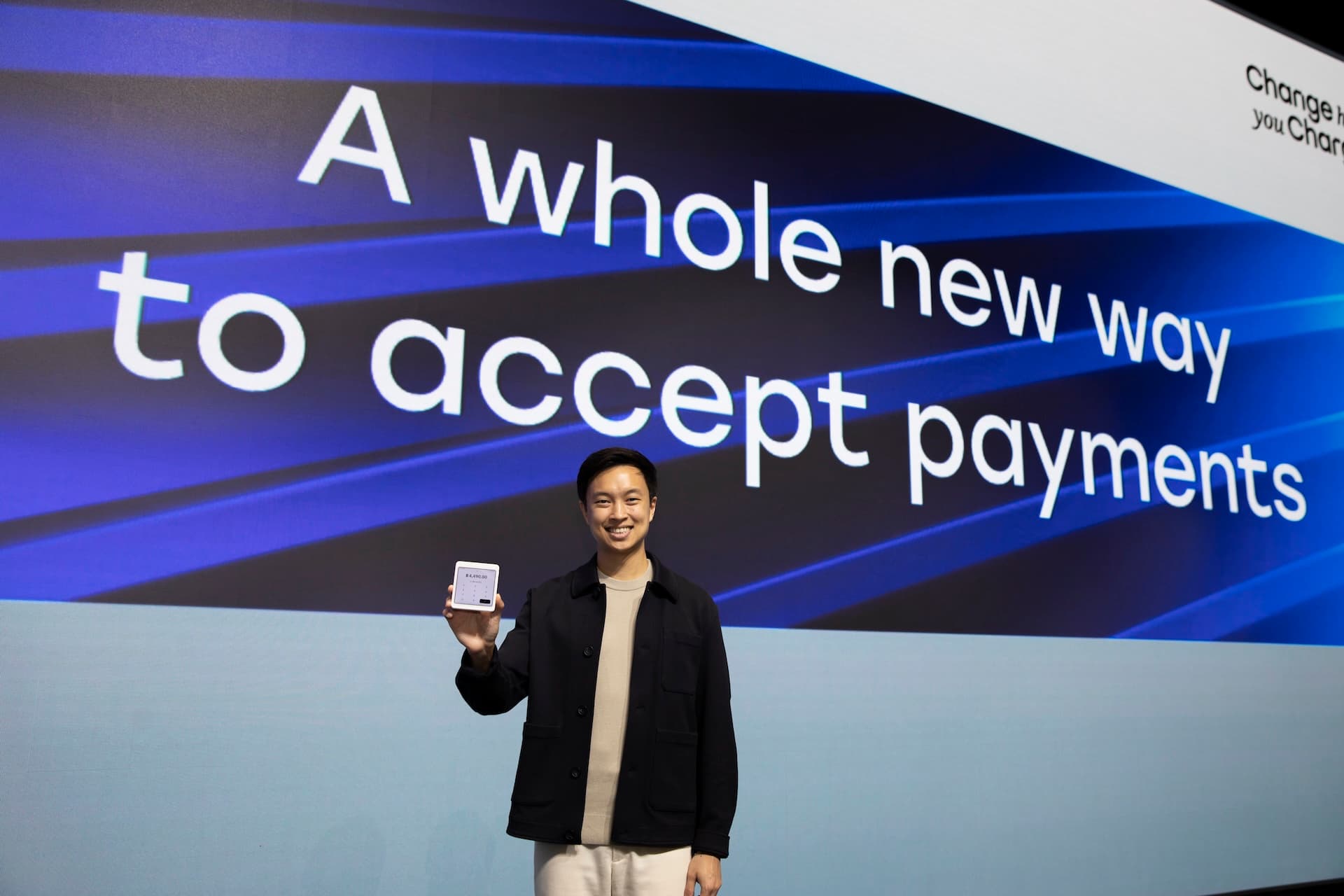
Likewise, Bolt+ was introduced by our Co-Founder and CEO, Win Vareekasem, detailing how this revolutionary payment device changed a whole new way to accept payments.
As Bolt+ accepts:
Cards, lowest starting fees at 1.8% with installments from all major banks
QR PromptPay
E-Wallets
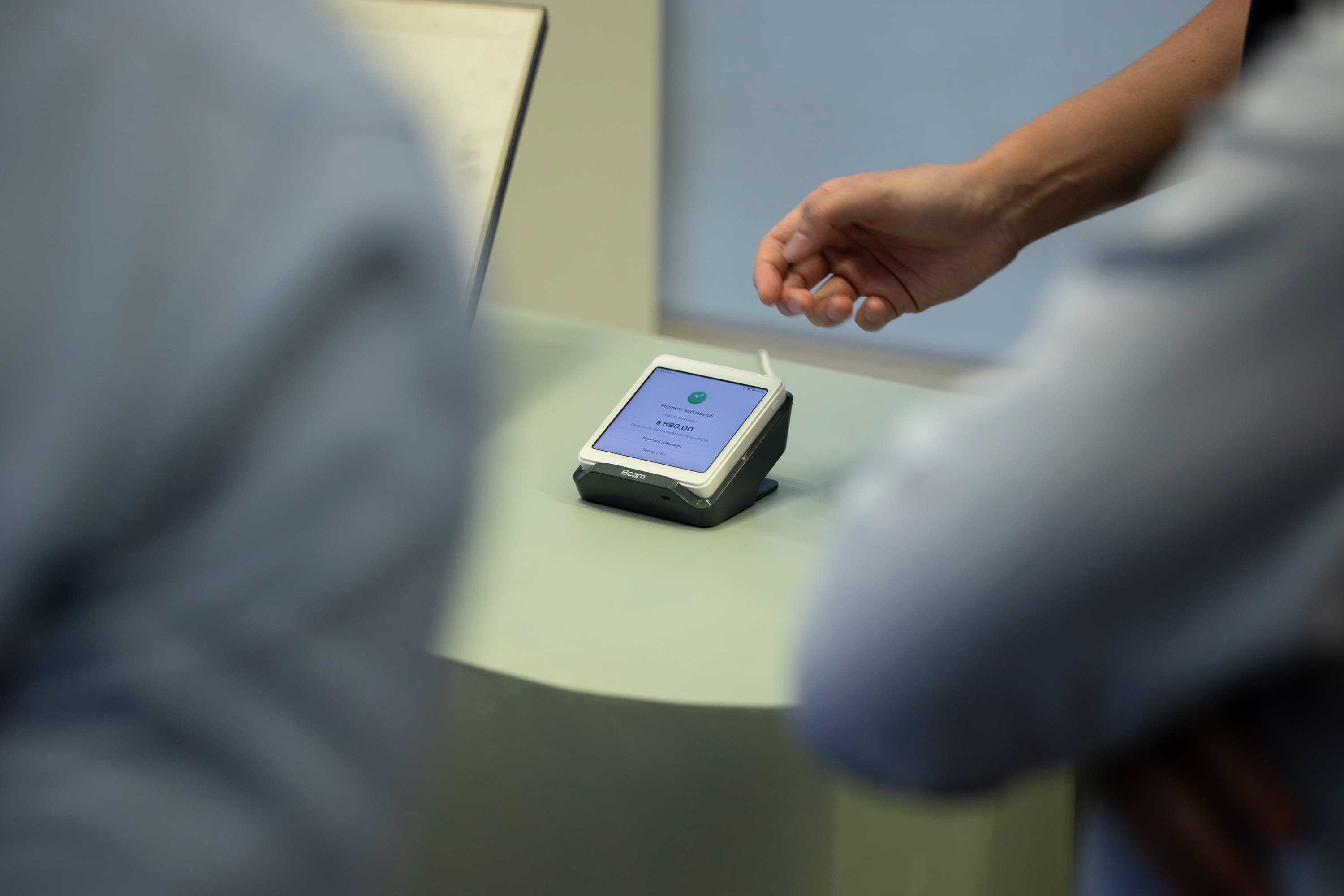
Additionally, Bolt+ features a proprietary pairing mechanism designed to support every type of business model. This smart integration allows Bolt+ to seamlessly connect with existing POS systems, helping businesses move forward instantly without the friction of complex software setups.
A Zero-to-One Playbook: Insights from Leading Brands
We heard many valuable insights from brand leaders throughout the event, but the most compelling ones came during the panel discussion, where they shared first-hand experiences that are rarely heard elsewhere. As the event centered on how businesses are shaping their payment experiences to meet today’s consumer expectations, the in-store payment journeys of these leading brands took center stage.

Pramote Dechaboonsiripanich, Managing Director, PAÑPURI, had the opportunity to share his success and one valuable story, revolving around the customer’s journey of checkout experience at his store.
Know your strengths and maximize them. Even if you operate in a small segment, being the leader there still matters.
He shared this vital aspect of running a business that any merchant should consider to be the leader in their own segment, even if it's a small segment.
In addition, he also emphasized the importance of seamless customer experiences, setting a new internal benchmark for PAÑPURI: “The payment process should take no more than 15 seconds — that’s our new goal, though we’re currently around 30 seconds.”
Recalling a memorable story, he added, “Once, we received customer feedback that checkout took five minutes. So, we reviewed the video footage and found it actually took just one minute. Still, we believe the customer is always right, and that pushes us to keep improving the checkout experience.”
This emphasizes how significant the checkout experience is to any business today, showing that merchants must continually evolve, even when things already feel successful. There are always new opportunities to enhance the experience in a fast-paced environment.
Thanisa Veerasaksri, Co-Founder and CEO, RAVIPA, also joined the panel discussion and spoke passionately about the importance of presence and connection of truly understanding where customers are and meeting them there.

“Be where your customers are,” she shared, reflecting on how the brand continues to evolve alongside modern consumer behavior, whether through online experiences or physical stores around the world.
She highlighted that RAVIPA’s expanding international audience has made a seamless payment experience more critical than ever. With more tourists visiting stores and ready to purchase, supporting familiar E-wallets has quickly become essential.
Many tourists come ready to buy, and they expect to pay easily with their preferred E-wallets — it’s something we can no longer overlook
In today’s landscape, businesses must stay ready for every payment method, ensuring customers can pay in the way that works best for them.
Looking ahead, she encouraged Thai brands to think globally while staying true to their roots.
Every brand deserves to be that must-visit destination — the place that travelers feel excited to discover when they come to Thailand
Methas Chaimongkalanon, Co-Founder & CEO, Kaew Boutique, shared the inspiring journey behind his emerging Thai dessert brand, which has quickly become a sensation among dessert lovers in Bangkok. What began as a passion for traditional flavors has evolved into a mission to reimagine Thai desserts for a modern audience.

The vision goes beyond simply creating delicious desserts. It’s about elevating Thai desserts to stand proudly alongside world-renowned pastries.
We don’t just make great Thai desserts — we want them to be on the same level as international favorites like croissants or macarons.
He also emphasized how every detail, particularly store location, plays a pivotal role in shaping brand perception. “Choosing the right store location is crucial for us. It has to fit our brand identity — we wouldn’t open just anywhere. It needs to reflect who we are,” he added.
With these ambitious thoughts, Kaew Boutique continues to bridge tradition and modernity, proving that Thai desserts can compete in a challenging market and trend-forward, appealing to a new generation of dessert enthusiasts.
Sansiri Siripornlertkul, Co-Founder, Goodhood, also shared his heartwarming perspective on how the brand continues to strengthen its identity through community. He spoke about creating spaces where people can genuinely connect through shared passions and experiences, such as music, food, and fashion. It is a true reflection of Goodhood’s belief that any relationship can happen through a thriving community.
“We’re building a community — a place where everyone is welcome to join our events, not limited to any specific group,” he explained.
Our goal is to create experiences that appeal to a wide range of interests and bring people together.

This sense of connection has become more than just an ideal of expression, as it leads to being portrayed in real life. “There was even a couple who met at one of our events,” he shared with a smile. “It’s a small but powerful reflection of how our community continues to grow — creating opportunities for people to meet, interact, and form new relationships.”
Through this approach, Goodhood firmly exemplifies how modern brands can foster authentic human connections and build communities that are not just around products or services. It’s the shared experiences that bring people closer together.
From creating must-visit destinations to reimagining culinary heritage and building communities that bring people closer, each brand shared one clear belief: experiences define the way customers engage today. Great experiences are made from every small moment, including the ease of how customers choose to pay. As businesses continue evolving, Beam is committed to supporting them in shaping payment experiences that feel natural, effortless, and ready for a world where connections happen everywhere.
How Thailand is being Driven Toward a Cashless Society by the Private and Public Sectors
Any business today can play a part in driving Thailand toward a cashless society. Whether it’s a street food stall or a restaurant in a department store, accepting digital payments has never been easier.
It’s safe to say that any size of business in the economy is gradually adopting digital transactions, generating a more seamless experience for customers’ checkout.

With this inevitable change of cashless adoption, large enterprises like EM District helmed by Ittiris Ratanadaros, Senior Director Leasing and Business Development, also shared his perspective on the stage.
In the past, we had to exchange cash for a card before using it in the food court. But now things have changed — everyone uses QR PromptPay instead. It’s so much more convenient, especially at the Emporium, and now food courts across Thailand are adopting it as well.
Whether a large enterprise or a small business, every organization is beginning to embrace the cashless movement for its efficiency and ability to streamline operations. Today, QR payments in Thailand exceed 80 million transactions daily, proving digital transactions have fully penetrated into the nation’s financial infrastructure.
Watanya Amatanon, CEO, TAO BIN, also shared data-driven insights that reflect Thailand’s rapid shift toward a cashless future. As one of the country’s leading innovators in automated retail, TAO BIN offers a clear picture of how Thai consumer behavior is evolving in real time.

“Our internal data shows that the vast majority of Thai consumers have already shifted toward a cashless economy — especially in Bangkok,” she revealed.
More than 75% of our customers now use cashless payment methods when purchasing drinks from our self-service machines.
Her observations reinforce the growing role of a cashless society in Thailand that is deep rooted in everyday life, offering greater convenience and faster checkout experience. This is now becoming one of the key factors why Thai people decide to shift their payment methods to cashless transactions.
Norawich Suttiwaree, Economist, Fiscal Policy Office, Thailand Ministry of Finance, shared a national perspective. Regarding the significant increase in Thailand’s digital adoption for the past decade, he asserted that Thailand is now evolving to a cashless society inevitably as cash still continues to play an important role.
“Cash still has its benefits, “but cashless adoption in Thailand has grown rapidly over the past 10 years,” he revealed.
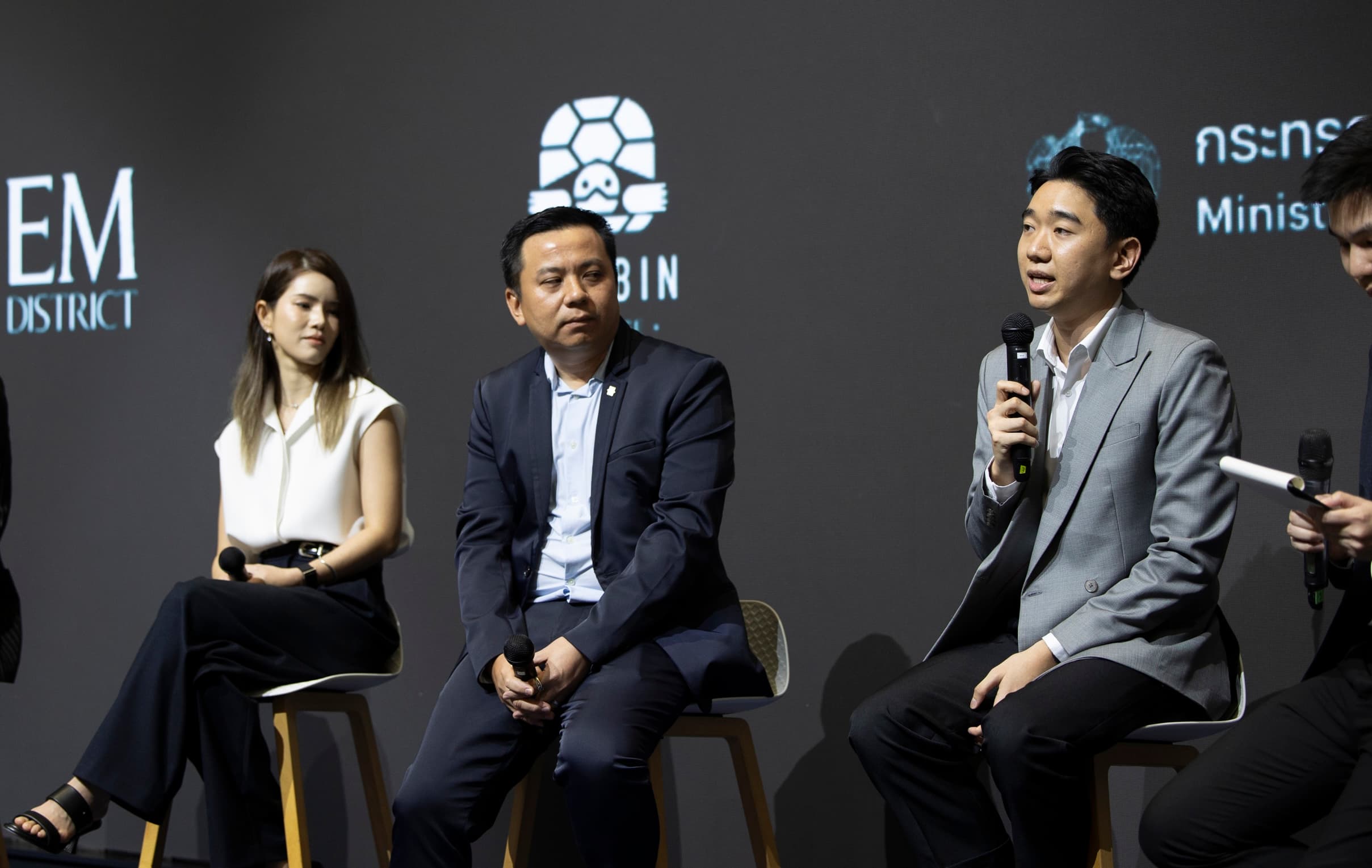
Thailand now ranks among the top five countries globally in terms of daily QR code usage.
He further emphasized the vital aspect of how this transformative process goes beyond consumer convenience, as it also strengthens transparency at a national level.
“Digital transactions enable the government to better trace and prevent fraud or corruption within the system, something that remains challenging with cash-based transactions”, Norawich added.
He underscored how significant digital transformation is on a national scale, where it could enhance the economy as a whole, while monetary transparency still arguably provides numerous beneficial elements as well.
Taken together, these insights from brand leaders to government policymakers signify how Thailand is steadily shaping a cashless economy. Every player plays their part - sharing the same goal of building a seamless and transparent experience. Beam continues to evolve alongside this movement, empowering Thailand’s cashless journey with innovation and confidence
Beam CEO Sets the Target for a Cashless Thailand
A cashless society is deeply rooted in many segments of the payment ecosystem in various countries. In Thailand, this transition has been progressing rapidly over the past few years. The adoption of digital payments continues to accelerate nationwide — today, wherever the internet is accessible, payments can be made instantly and securely.
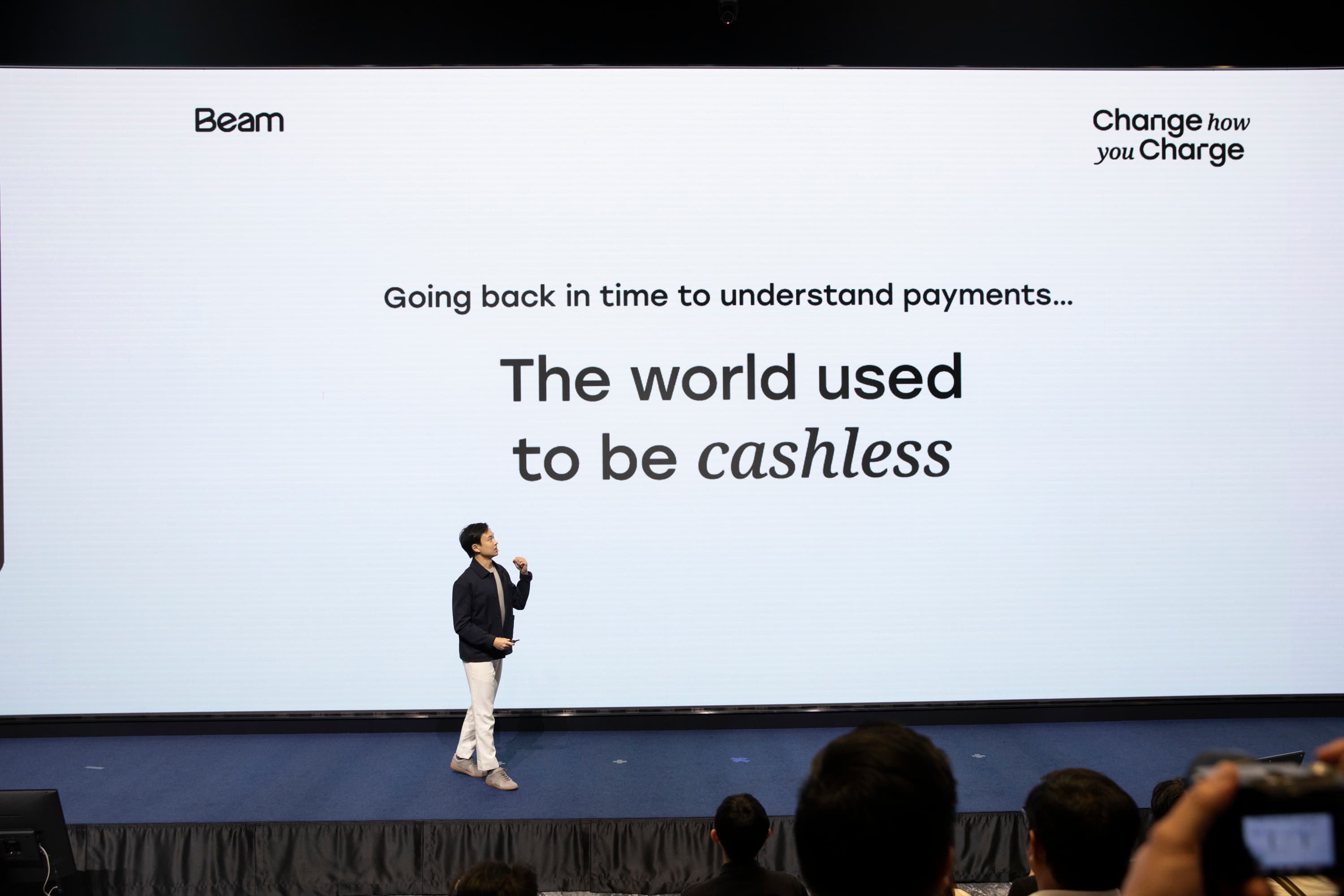
Win Vareekasem, Co-founder and CEO of Beam, emphasized this growing momentum during his keynote, highlighting the transformative impact of the cashless movement on Thailand’s economy.
Cash is expensive — it costs stores around 1.5% of sales to accept cash as a payment option.
This thought-provoking statement underscores Beam’s goal to encourage higher cashless adoption in the near future.
Thailand has already emerged as one of the fastest-growing markets for cashless adoption globally. Thailand is now en route to becoming a country that can achieve this target in the near future with the growing number of mobile banking users.
We believe Thailand can achieve a 90% cashless society by 2030 — meaning that the vast majority of payment transactions in the country will occur through digital channels.
Additionally, in order to achieve this figure, we need support from everyone. From government agencies to businesses of all sizes, to banking institutions, and to all Thai individuals. As we believe this cashless adoption will allow Thailand into the next step, where payment can be made seamless and frictionless.
Nonetheless, the challenge awaits around the corner as cash still has its own benefits, and allows everyone to exchange payments inclusively. Yet, with collective effort and innovation, Thailand stands firm to step into the future of digital payments, creating an economy not only cashless but also inclusive without leaving anyone behind and ready for the digital realm.
Bolt+ in Action: A Hands-On Experience
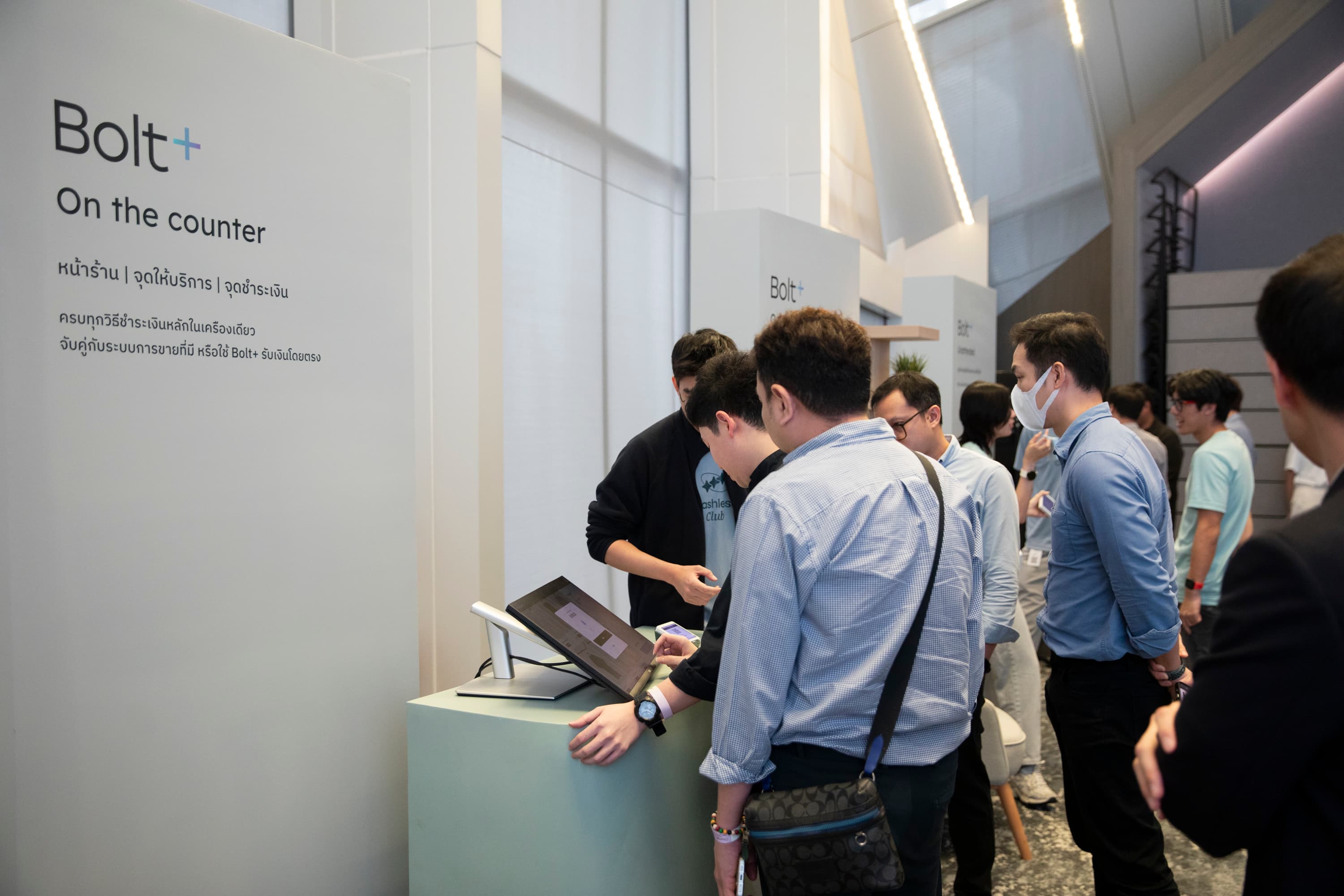
At the event, guests had the chance to experience Bolt+ firsthand, enjoying an immersive demonstration of fast, seamless, and secure transactions.
Bolt+ received outstanding feedback from attendees and sold out within minutes, a testament to the excitement surrounding its capabilities. The showcase highlighted three key business use cases:
On the Counter: to streamline payment anywhere at the storefront with one device seamlessly integrated into existing systems.
On the Move: portable enough to accept payments anywhere, growing your sales at the events with ease.
Unattended: leverage and power self-service spots like vending machines and kiosks with one simple integration.

This powerful device reiterates the seamless experience of payment where guests were left inspired and excited as Bolt+ evidently showed how payment can be effortless and connected experiences.
Key Takeaways for Businesses Embracing Cashless Payments in Thailand
As the event brought together leading brands from a variety of industries, we witnessed firsthand experiences and untold stories, revealing how crucial payment acceptance has become in today's business landscape.
The ability to accept all payment methods has become an essential factor driving business growth, and it leads to the time duration of checkout as well as system security. All of these elements must be well-aligned in order to create seamless experiences to even exceed customer expectations in a highly challenging market.
While digital payments continue to evolve, businesses that adapt early will not only enhance customer satisfaction but also their competitive edge in Thailand’s rising cashless economy.
This is why Beam launched the “Cashless Club”, a community-driven initiative designed for Thai businesses of all sizes. The club offers a variety of perks to help merchants grow efficiently and sustainably, while encouraging them to embrace digital payments in this thriving fast-paced economy.
 20 Oct 20251 min read
 10 Oct 20252 min read
 25 Sep 20253 min read
 13 Jun 20255 min read
